QUICK ANSWER
Preventive dental care includes routine dental examinations, professional cleanings, gum health checks, X-rays when clinically appropriate, fluoride treatments when recommended, and guidance on brushing, flossing, and diet. These services help identify and manage potential problems early, before they grow. The exact preventive care you need depends on your age, oral health, dental history, and individual risk factors, so your dentist tailors it to you.
Taking care of your teeth is much easier when you catch small issues early. That is the idea behind preventive dental care.
Good preventive dental care is about more than a quick cleaning. It combines exams, professional cleanings, diagnostic checks, and personalized guidance to help keep your teeth and gums healthy for the long run. Here is what it includes, how often you may need it, and how it fits your life in Waltham.
What Is Preventive Dental Care?
Preventive dental care is the routine care that helps maintain your oral health and catch problems early, before they become serious or costly. It focuses on keeping your teeth and gums healthy rather than only fixing them after something goes wrong.
It covers a range of services, including dental examinations, professional cleanings, fluoride when appropriate, X-rays when clinically indicated, an oral cancer screening as part of an exam, gum health evaluations, and personalized hygiene education. Together, these form the foundation of lifelong dental health.
What Is Included in Preventive Dental Care?
Preventive care has several parts that work together. Here is what each one does.
Dental Examinations
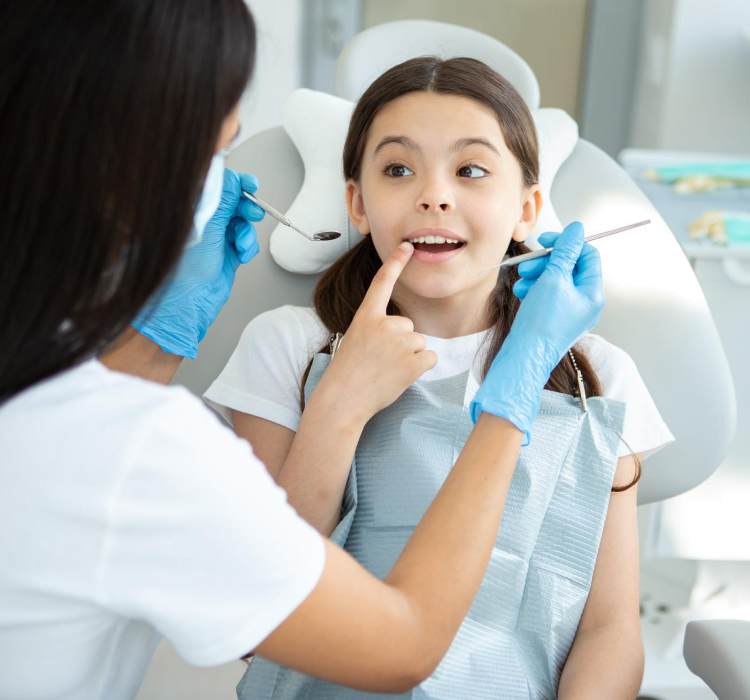
During a comprehensive dental exam, your dentist checks your teeth for cavities, evaluates your gums, looks for signs of infection or other concerns, reviews any existing dental work, and talks through anything you have noticed. This is where early problems are often first spotted.
Professional Dental Cleanings
A professional cleaning removes plaque and hardened tartar, including from spots that are hard to reach at home. Plaque is a soft, sticky film of bacteria that forms constantly, and if it is not removed it hardens into tartar within a few days, which only a professional can take off.
Diagnostic X-Rays
X-rays may be recommended when clinically appropriate to see areas a visual exam cannot reach, like between teeth or below the gumline. Modern digital X-rays use very little radiation, and your dentist takes them based on your history and needs, not a fixed schedule for everyone.
Fluoride
Fluoride can help strengthen enamel and reduce the risk of cavities for patients who benefit from it. Whether fluoride treatment is recommended depends on your individual cavity risk, age, and oral health.
Patient Education
Personalized guidance is a key part of prevention. Your dental team can help with brushing technique, flossing or interdental cleaning, dietary habits, choosing oral hygiene products, and understanding your own risk factors.
How Often Should You Get Preventive Dental Care?
There is no single schedule that fits everyone. Many healthy adults do well with an exam and cleaning every six months, but the right interval depends on your mouth.
Your dentist considers your history of cavities, gum health, age, existing restorations, home care, and medical history. Some patients, such as those with gum disease or a higher risk of decay, benefit from more frequent visits, often every three to four months. Others need them less often. The best schedule is the one your dentist recommends for you.
Can Preventive Dental Care Prevent Cavities?
Preventive care can significantly lower your risk of cavities and catch early ones before they grow, but it cannot guarantee you will never get a cavity. Prevention reduces risk, it does not remove it entirely.
The combination that works best includes regular exams and cleanings, fluoride when recommended, brushing twice a day with fluoride toothpaste, daily flossing, limiting frequent sugary foods and drinks, and addressing early concerns promptly.
Can Preventive Dental Care Help Prevent Gum Disease?
Yes, prevention plays a big role in gum health. Controlling plaque is the key, and that comes from both daily home care and professional tartar removal your toothbrush cannot handle.
Regular gum examinations help catch inflammation early, when it is most reversible, and daily brushing and flossing keep bacteria in check between visits. Early gum inflammation can often be reversed with good care, while more advanced gum disease needs specialized periodontal treatment. Patients with existing gum disease usually need more focused periodontal care than routine prevention alone.
What Happens During a Preventive Dental Visit?
Knowing what to expect makes visits easier. A typical preventive appointment includes:
- A review of your dental and medical history and any current concerns.
- A dental examination of your teeth and existing dental work.
- A gum health evaluation to check for inflammation.
- X-rays when clinically appropriate to see hidden areas.
- A professional cleaning to remove plaque and tartar when recommended.
- Fluoride treatment when appropriate for added protection.
- Oral hygiene guidance and a discussion of any recommended follow-up.
Your exact visit may look a little different depending on your needs, which is how it should be.
Preventive Dental Care vs Restorative Dental Care
It helps to understand how preventive care differs from restorative care. Both matter, and they work together.
| Feature | Preventive Dental Care | Restorative Dental Care |
| Main purpose | Maintain health and reduce risk | Repair or replace damaged teeth |
| Examples | Exams, cleanings, fluoride | Fillings, crowns, bridges |
| Timing | Routine and ongoing | When a problem exists |
| Main focus | Prevention and early detection | Treatment and repair |
| Patient needs | Vary by oral health | Vary by the dental condition |
Strong preventive care can reduce how often you need restorative treatment later, though it cannot rule it out entirely. The two together support your long-term dental health.
What Can You Do at Home to Support Preventive Dental Care?
Your daily habits matter just as much as your dental visits. This simple checklist covers the essentials:
| ✓ Brush twice a day with fluoride toothpaste ✓ Clean between your teeth daily with floss or an interdental cleaner ✓ Replace a worn toothbrush or brush head as recommended ✓ Limit frequent sugary snacks and drinks ✓ Drink water regularly throughout the day ✓ Avoid tobacco products ✓ Wear a mouthguard for sports or nighttime grinding when appropriate ✓ Attend your recommended dental exams and follow your personalized advice |
Can Preventive Dental Care Reduce the Need for Emergency Treatment?
Routine care can help spot developing problems, like a small cavity or early crack, before they turn into painful emergencies. Catching issues early often means simpler treatment.
That said, prevention cannot stop every emergency. Dental trauma, sudden severe pain, an unexpected infection, a broken tooth, or a knocked-out tooth can still happen. When an urgent problem occurs, same-day emergency dental care is there to help. Preventive visits and prompt emergency care work hand in hand to protect your smile.
What Happens If You Skip Preventive Dental Visits?
Life gets busy, and it is easy to put off a checkup. Over time, though, skipping preventive visits can allow small issues to grow.
- Plaque and tartar can build up and become harder to remove.
- Early cavities may go unnoticed until they are larger.
- Gum inflammation can progress if it is not caught early.
- Existing dental problems may become more complex to treat.
- Early treatment windows can be missed, when care would have been simpler.
How much this matters varies from patient to patient, but regular visits keep you ahead of these issues.
Is Preventive Dental Care Worth It?
For most people, yes. Preventive care helps maintain your oral health, catches problems early, removes plaque and tartar your toothbrush cannot, and gives you guidance for your specific mouth.
By identifying and managing concerns early, preventive care can reduce how often you need more complex treatment down the road, though it cannot promise you will avoid every procedure. For the time it takes, it is a worthwhile investment in your long-term health.
| Signs You Should Schedule a Preventive Dental Visit Consider booking a visit if it has been a long time since your last exam, your gums bleed when you brush or floss, you have persistent bad breath, your teeth feel sensitive, or you notice visible plaque or tartar buildup. The same goes if you have a history of cavities, a concern about an existing filling or crown, a change in your oral health, or you are simply unsure whether your current routine is enough. Note that severe pain, swelling, trauma, or other urgent symptoms may need prompt dental evaluation rather than waiting for a routine visit. |
Why Patients Choose Smiley Dental Waltham
Our Waltham dental office at 1030 Main Street provides comprehensive, patient-focused preventive care for families across Waltham, Weston, Newton, Watertown, and Lexington.
- Comprehensive exams and professional cleanings, tailored to your needs.
- Personalized preventive recommendations based on your oral health.
- Modern diagnostic technology when clinically appropriate.
- Clear communication and patient education, so you understand your care.
- Comfortable visits and ongoing follow-up for the whole family.
Call 781-666-6000 or contact our Waltham team to schedule your preventive visit.
Frequently Asked Questions
Everything you need to know about preventive dental care.
The Bottom Line
Preventive dental care brings together exams, professional cleanings, X-rays and fluoride when appropriate, gum evaluations, and personalized home care guidance to help keep your smile healthy. It cannot promise you will never face a dental problem, but it lowers your risk, catches issues early, and often means simpler treatment when something does come up. Because every mouth is different, your ideal preventive plan depends on your age, oral health, dental history, and risk factors.
The best step you can take is a regular preventive visit tailored to you. If you are in the Waltham area and it is time for a checkup, or it has simply been a while, schedule a preventive dental exam with Smiley Dental Waltham. Call 781-666-6000 or request an appointment online to keep your teeth and gums on the right track.
Keep your smile healthy for years to come.
Schedule a preventive dental visit at Smiley Dental Waltham for care tailored to your smile. Call 781-666-6000 or request an appointment online. Find us at 1030 Main St, Waltham. New patients are always welcome.