
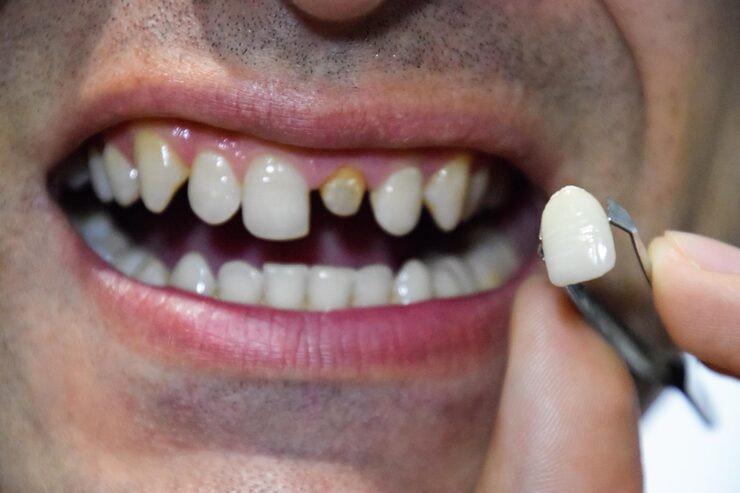
 Preparing for your first dental crown appointment is mostly about gathering information before you arrive. That means an updated list of your medications and medical conditions, notes on what the tooth has actually been doing, confirmation of any instructions from the office, and a short list of questions about the treatment and what it will cost.
None of it is complicated, and doing it ahead changes the appointment. A dentist working with a complete picture of your health and symptoms can plan properly, and a patient who has thought about what to ask leaves understanding the plan rather than piecing it together afterward.
Quick Answer
Confirm your appointment details and ask whether any special instructions apply. Bring an updated list of medications, allergies, and relevant medical history. Note when the tooth hurts, what triggers sensitivity, and any swelling or chewing difficulty. Ask about the treatment process, whether you will have a temporary crown, the expected timeline, fees, and insurance. Then follow the personalized instructions your dentist gives you. Requirements vary by case.
What Is a Dental Crown and Why Might You Need One?
A dental crown is a cap that covers a tooth, protecting what remains of its structure and restoring its shape and function. It is used when a tooth needs more support than a filling can provide.
Common reasons a dentist recommends one:
- A tooth weakened by extensive decay or by a large filling that no longer holds well
- A cracked or significantly damaged tooth that needs full coverage
- A tooth that has had root canal treatment, where a crown is clinically appropriate
- A tooth needing restoration after substantial damage or wear
- Certain restorative or cosmetic treatment plans involving several teeth
Not every damaged tooth needs a crown, and that is worth knowing beforehand. The right treatment depends on how much healthy structure remains and what the examination shows. Crowning permanently reshapes the tooth, so it is a decision worth understanding rather than accepting.
You can read about available dental crowns and bridges and how these restorations address different dental needs.
It also helps to see where crowns sit among restorative dentistry services, which covers the broader set of treatments used to repair damaged or weakened teeth.
What to Do Before Your First Dental Crown Appointment
Gather Your Medical and Dental Information
Write down your current medications with doses, allergies, relevant medical conditions, and previous treatment on that tooth. Blood thinners, bisphosphonates, diabetes, and anything affecting healing matter here. If unsure of medication names, photograph the labels and bring your phone.
Write Down Your Symptoms
Note when the discomfort started, whether the tooth hurts when you bite, and whether hot, cold, or sweet triggers it. Mention swelling, a broken filling, or a change in how you chew. These details narrow the diagnosis, and they are easy to forget once you are in the chair.
Confirm Appointment Instructions
Call ahead and ask whether anything specific applies. Do not stop a prescribed medication or fast beforehand unless instructed by an appropriate healthcare professional. If you take premedication before dental work, confirm it with the office in advance.
Check Insurance and Payment Details
Ask for a written estimate, confirm what your benefits cover, and clarify your out-of-pocket cost. The final figure depends on the tooth’s condition, the crown material, whether other procedures come first, and your plan. Getting this beforehand avoids an uncomfortable conversation later.
Questions to Ask Your Dentist Before Getting a Dental Crown
✓ Why does this tooth need a crown rather than a filling?
✓ Are there other suitable treatment options for this tooth?
✓ Will I need a root canal or any other procedure first?
✓ Will the crown be placed in one visit or across multiple visits?
✓ Will I have a temporary crown in between, and what should I avoid while wearing it?
✓ Which crown material do you recommend for this tooth, and why that one?
✓ What costs should I expect, and what might my insurance cover?
✓ What should I do if the tooth hurts after treatment?
Before agreeing, you should understand the diagnosis, what the crown achieves, its limitations, the risks, the alternatives, and the cost. A dentist who welcomes those questions is one you can raise a problem with later.
What Happens During a Dental Crown Appointment?
Examination and Treatment Planning
The dentist evaluates the tooth, takes X-rays where indicated, then discusses whether a crown is appropriate and whether anything needs doing first. This is where you should hear the reasoning, not just the recommendation.
Preparing the Tooth
The tooth is reshaped to make room for the crown to fit over it. Local anesthetic is commonly used so the preparation is comfortable. You will feel pressure and vibration while the area is numb, which is normal.
Impressions or Digital Scans
A traditional impression or a digital scan records the prepared tooth and your bite, so the crown can be made to fit precisely and meet the opposing teeth correctly. Which method is used depends on the practice and the case.
Temporary Crown and Final Placement
If the permanent crown is not ready the same day, a temporary protects the prepared tooth. At the next visit the dentist checks fit, contacts, color, and bite, adjusts, then cements it. Some practices mill crowns on site and finish in one appointment, so ask which applies and plan around it.
Is Getting a Dental Crown Painful?
Local anesthetic is generally used during preparation, so the procedure itself is usually comfortable. Patients typically describe pressure and vibration rather than pain. We will not promise a completely painless experience, because that is not something any dentist can guarantee.
Afterward, temporary sensitivity and soreness are common for a few days while the tooth settles, particularly to cold. That usually eases on its own.
If you are anxious about dental treatment, say so when you book rather than on the day, so the team can plan around it. Contact the office if pain is severe, persistent, worsening rather than easing, or accompanied by swelling.
What to Expect After Your Dental Crown Appointment
✓ Follow the instructions you were given about eating and drinking, and wait until numbness fully wears off before eating
✓ With a temporary crown, ask which hard or sticky foods to avoid, since temporaries come loose more easily
✓ Brush gently around the treated tooth and keep cleaning between your teeth as instructed
✓ Avoid biting hard objects such as ice, pens, or packaging with that tooth
✓ Contact the office if the crown feels loose, the bite feels uneven or high, or discomfort is not improving
Aftercare differs between temporary and permanent crowns. A temporary is designed to come off at the next visit, so it is deliberately less secure. A bite that feels high after the permanent crown is cemented is worth calling about rather than waiting out, since an uneven bite overloads that tooth.
Dental Crown Costs and Possible Alternatives
Cost depends on the tooth’s condition, the crown material, whether additional procedures such as a build-up or root canal are needed first, and your insurance benefits. We are not publishing figures here, because a number quoted in an article rarely matches a real estimate. Ask for a written, itemized estimate after your examination.
Alternatives are worth discussing. Where enough healthy structure remains, a filling or onlay may do the job while removing less natural tooth, though neither gives the full coverage a crown provides. Extraction is sometimes considered when a tooth cannot be predictably saved, but it is not automatically the least expensive long-term option, since a missing tooth usually needs replacing.
Patients comparing restorations can read about the differences between tooth-colored and silver fillings and discuss which may suit their tooth.
If a tooth cannot be saved, it is worth exploring same-day tooth replacement options. Replacing a tooth is a different treatment from crowning a natural one, and eligibility depends on what the examination finds.
How to Find Dental Crowns Near Waltham, MA
If you are searching for a dental crown near me, the things worth comparing are not the ones practices advertise. Look at the quality of the consultation, whether the plan is explained clearly, what follow-up looks like if the crown needs adjusting, the location, and how openly the office discusses costs and insurance.
Smiley Dental Waltham serves patients in Waltham and neighboring communities including Wayland. A consultation is not a commitment, and the useful outcome is leaving with a clear understanding of what the tooth needs and what your options are.
Patients researching local treatment can read about finding a dentist for crowns in Waltham and the questions worth raising when discussing their dental needs.
Frequently Asked Questions About Dental Crowns
Is it cheaper to pull a tooth or get a crown?
Extraction often costs less upfront, but that is rarely the whole picture. A missing tooth usually needs replacing with a bridge, implant, or partial denture, and those costs can exceed the crown you avoided. Your dentist can set out each option for your specific tooth.
What happens if I can’t afford a crown on my tooth?
Tell the office rather than cancelling. Ask how urgent the treatment is, what payment arrangements exist, what insurance contributes, and whether a clinically appropriate alternative works for now. Delaying often lets the problem worsen, making eventual treatment more involved and more expensive.
Will a tooth rot under a crown?
It can. Decay develops at the margin where crown meets tooth if plaque builds up or the seal is compromised, and this is the most common reason a crown needs replacing. Cleaning carefully around it, including between the teeth, and keeping up with checkups prevents it.
What is a cheaper alternative to a crown?
A filling or an onlay may suit some teeth, depending on how much healthy structure remains. Both remove less natural tooth than a crown does. They do not provide the same full coverage, so they are appropriate for different situations rather than being a lower-cost substitute in every case.
When is it too late to put a crown on a tooth?
A crown needs enough sound tooth structure to sit on. If too much has been lost to decay or fracture, or the root or supporting bone is compromised, a crown may not be viable even with a build-up. Only an examination with X-rays determines whether the tooth is restorable.
What’s more serious, a root canal or a crown?
They do different jobs. A root canal treats infection or inflammation inside the tooth. A crown covers and protects the outside. A root canal is the more involved procedure, and many teeth need both: the root canal to treat the problem, then a crown to protect what is left.
Why do dentists push for crowns?
A crown is often recommended when a tooth needs more protection than a filling can give, such as after a root canal or when a large old filling is failing. If the reasoning was not explained, ask for it. You are entitled to the diagnosis, alternatives, risks, and costs before deciding.
What’s the most painful part of getting a crown?
Experiences vary. The preparation is done under local anesthetic, so most patients report pressure rather than pain during it. The part people remember is usually the sensitivity in the days afterward, particularly to cold. Discuss any pain concerns with your dentist before treatment rather than during it.
What is the downside of a tooth crown?
The tooth has to be reshaped, which is permanent and cannot be undone. Temporary sensitivity is common afterward. Crowns can chip, loosen, or develop decay at the margin, and they do not last forever, so expect future maintenance or replacement.
Do dentists recommend unnecessary crowns?
A crown should be recommended on the basis of the tooth’s condition and clinical findings, not as a default. If uncertain, ask the dentist to explain the diagnosis, ask to see your X-rays talked through, and seek a second opinion. A reasonable dentist will not object.
Which teeth usually rot first?
Molars tend to be affected earlier because their chewing surfaces have deep grooves that trap food and plaque and are harder to clean thoroughly. That said, decay can affect any tooth, and risk depends on diet, oral hygiene, fluoride exposure, saliva flow, and medications that cause dry mouth.
Preparing Well Makes the Appointment Easier
Preparing for a first dental crown appointment comes down to five things: gather your medical and medication information, note what the tooth has been doing, confirm any instructions with the office, understand the treatment plan before agreeing to it, and discuss costs and alternatives openly.
If you have questions about dental crowns or about what your appointment will involve, contact Smiley Dental Waltham. We are happy to talk through the process, what preparation applies in your case, and what the examination would cover, before you decide on anything.