
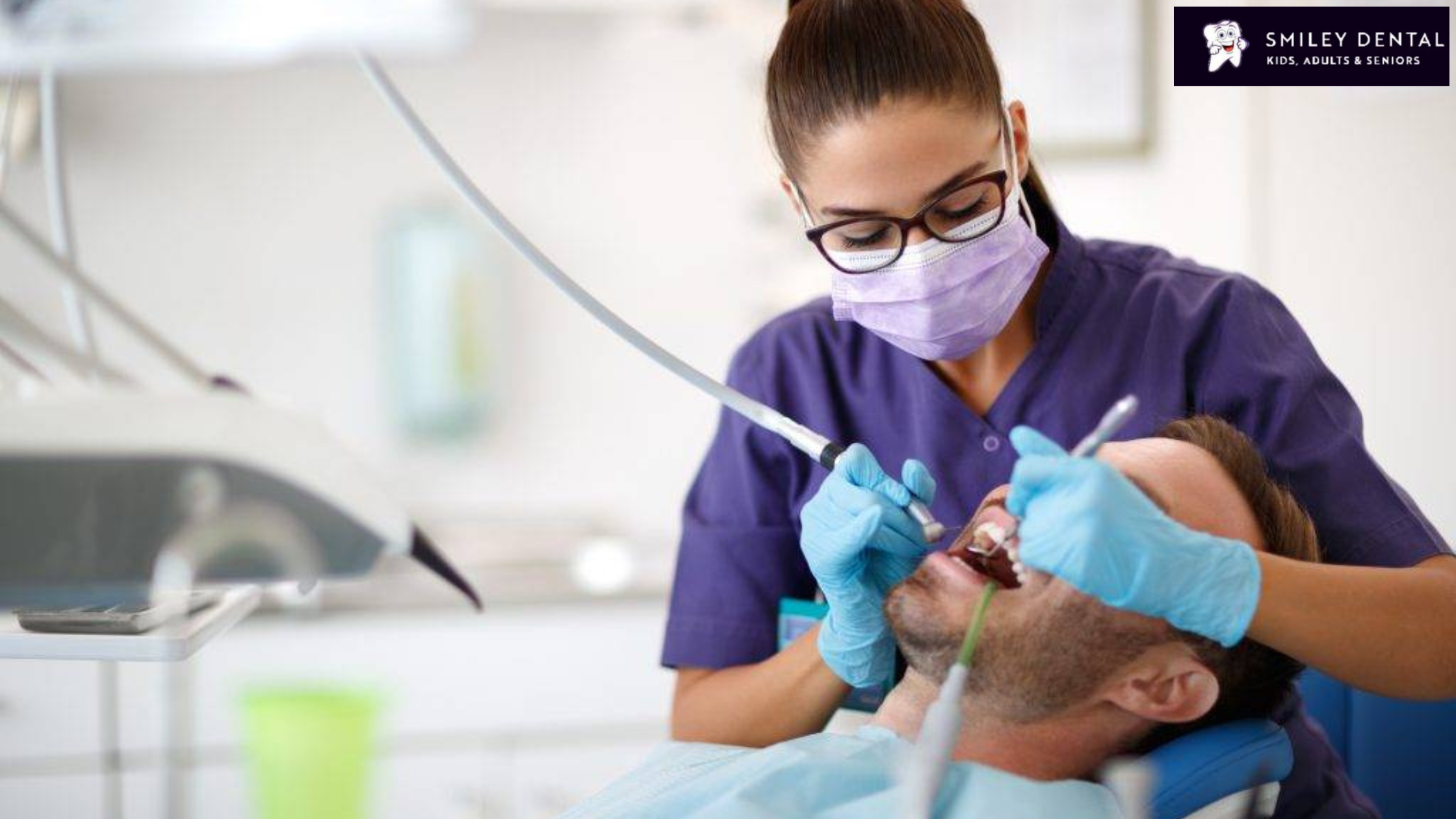
Quick Answer
Yes, a periodontist can place dental implants. Periodontists receive specialized training in the gums, supporting bone, and other structures that support the teeth, which are important considerations during implant treatment. A patient’s periodontal health, bone levels, medical history, and overall oral condition may all affect treatment planning. Some patients may need periodontal care before implant placement, while others may be treated by a general dentist or another qualified dental professional.
If you are considering implants and have been told your gums need attention first, it helps to understand who does what. This guide explains a periodontist’s role, why gum and bone health shape implant planning, and when specialist involvement makes sense. If you are exploring periodontal therapy in Waltham, here is what to know.
What Is a Periodontist?
A periodontist is a dental specialist focused on the gums, bone, and tissues that support your teeth. Periodontics is formally recognized as a specialty by the American Dental Association, and periodontists complete additional years of training beyond dental school.
Their work centers on diagnosing and treating periodontal disease, from deep cleaning through surgery when needed. Because implants rely on the same bone and soft tissue, periodontists are frequently involved in implant treatment.
Can a Periodontist Place Dental Implants?
Yes. Placing implants falls within the training and clinical practice of periodontists, and periodontist dental implants are a well-established part of the specialty.
Implant treatment requires evaluation of the gums, jawbone, and surrounding structures, squarely within a periodontist’s focus. That said, they are not the only qualified provider. Many general dentists place implants, as do oral surgeons and prosthodontists. Some cases involve collaboration, with one clinician placing the implant and another creating the crown. The right route depends on your needs and the clinician’s experience.
What Is the Role of a Periodontist in Implant Treatment?
Their involvement typically spans several stages:
- Evaluating gum health through periodontal charting and examination.
- Assessing bone and supporting structures for adequate implant support.
- Identifying signs of periodontal disease that should be addressed first.
- Planning treatment when periodontal concerns are present.
- Performing appropriate procedures within their scope and training.
- Supporting long-term maintenance after implant treatment is complete.
Treatment planning varies from patient to patient, which is why individual evaluation matters more than any general rule.
Why Is Periodontal Health Important Before Dental Implants?
An implant fuses to the jawbone and depends on healthy surrounding tissue to stay protected from bacteria. Periodontal disease affects both.
Active gum disease generally needs to be evaluated and managed before implant treatment is planned. Bone loss from periodontal disease also affects planning, since implants require sufficient bone volume for support. Ongoing periodontal dental care before and after treatment, combined with good home hygiene and regular dental exams, supports long-term oral health. No provider can guarantee implant success, but a healthy foundation gives treatment the best conditions to work with.
Can You Get Dental Implants If You Have Periodontitis?
Having periodontal disease does not automatically rule out implants. Many patients with a periodontal history receive implants successfully.
It does mean active disease usually needs treatment and stabilization first. Gum health and bone levels are evaluated and any infection controlled before planning proceeds. Every situation differs, so your dentist or periodontist determines what is needed and when placement becomes appropriate. This is a sequencing question rather than a yes or no one.
What Happens If You Need Periodontal Treatment First?
Treatment generally follows a clear sequence, with each stage informing the next:
- Dental and periodontal examination, including pocket depth charting.
- Assessment of gums and bone around the affected teeth.
- Diagnostic imaging such as X-rays or 3D scans when appropriate.
- Professional periodontal treatment, often beginning with deep cleaning.
- Evaluation of healing and how the tissue responded.
- Implant planning once the foundation is stable.
- Continued periodontal maintenance on an ongoing basis.
In certain cases, periodontal disease surgery may be considered when deep pockets persist after non-surgical care. Many patients never need it.
What Is Surgical Periodontics?
Surgical periodontics refers to procedures used to treat advanced periodontal problems or rebuild supporting tissues. Common examples include flap surgery to reduce deep pockets, gum grafting for recession, and bone grafting where support has been lost.
These are considered when non-surgical treatment has not fully resolved the problem, or when tissue and bone need rebuilding before implants. The decision depends on individual diagnosis, including pocket measurements and imaging. Not every patient requires surgery, and many stabilize with non-surgical care and consistent maintenance.
Periodontist Versus General Dentist for Dental Implants
Both may be involved in implant care. Here is how their focus differs:
| Factor | Periodontist | General Dentist |
| Primary focus | Gums and supporting structures | General oral health and dental care |
| Periodontal disease | Specialized focus | May diagnose and provide certain treatments |
| Implant treatment | May provide implant treatment | Some dentists provide implant treatment |
| Gum health evaluation | Specialized periodontal focus | Part of comprehensive evaluation |
| Complex periodontal cases | May require specialist involvement | May refer when appropriate |
| Treatment planning | Based on periodontal and oral health | Based on comprehensive dental needs |
Neither is automatically the right choice. The appropriate provider depends on your individual needs and on the clinician’s qualifications and experience with your type of case.
Who Is the Right Dentist for Dental Implants?
The answer depends on your situation rather than a hierarchy of providers. Factors include your gum health, bone levels, which tooth is involved, medical history, case complexity, whether periodontal treatment or grafting is needed, and your restorative goals.
A straightforward single implant in a patient with healthy gums is routinely handled by a general dentist. Cases involving significant bone loss, active disease, or grafting may benefit from specialist involvement. Ask any provider how often they treat cases like yours.
What Can Affect Eligibility for Dental Implants?
Several factors are considered during planning, though none automatically disqualifies you:
- Periodontal health and whether disease is active or controlled.
- Active infection at or near the proposed site.
- Available bone, since grafting may be needed if volume is limited.
- Oral hygiene and willingness to maintain it long term.
- Medical history, including conditions affecting healing.
- Smoking and tobacco use, which can impair healing.
- Bite forces and grinding, which affect long-term stress on the implant.
These are weighed together rather than as pass or fail criteria. Many patients who assume they are not candidates turn out to be, sometimes after preparatory treatment.
Can Receding Gums Affect Implant Treatment?
Gum recession affects both the appearance and the health of the area, so it warrants evaluation before implant planning.
The gum tissue and bone around a potential site are assessed for adequate support and healthy tissue to form a protective seal. Some patients need further assessment or grafting first. Recommendations depend on the cause and severity. Recession alone does not prevent implant treatment, but it needs to be understood first.
How Can Periodontal Disease Affect Dental Implants?
Periodontal disease damages the tissues and bone supporting natural teeth, and the same tissues support implants. That connection continues after treatment.
Active disease should be evaluated and managed before implant treatment. Afterward, periodontal maintenance remains important, because implants can develop complications involving the surrounding tissue and bone, a condition known as peri-implantitis. Losing teeth to gum disease does not eliminate the underlying condition, so regular professional care and consistent home hygiene remain part of the picture. Combining implants with ongoing preventive dental care gives treatment its best chance.
Periodontal Care and Dental Implants in Waltham
Patients in Waltham considering implants may benefit from having their gum and periodontal health evaluated first, since that assessment shapes everything that follows. Our office at 1030 Main Street provides periodontal treatment, dental implants, and restorative dentistry for patients across Waltham, Weston, Newton, Watertown, Belmont, and Lexington.
An evaluation typically includes periodontal charting, imaging when clinically appropriate, and a discussion of what treatment would involve. If specialist involvement would serve you better, we will say so.
Cost Considerations for Periodontal Care and Implants
There is no single price, because treatment is tailored to each patient. Costs vary with the severity of periodontal concerns, diagnostic procedures, the treatment needed, whether surgery or grafting is required, the number of implants, the restoration type, and your insurance coverage.
Rather than relying on a general figure, request a personalized treatment estimate after an examination, and ask what each line item covers. It is also worth asking about insurance coverage and payment options, since periodontal treatment and implants are often covered differently. Our patient financing information outlines available options.
Before Considering Dental Implants, Ask
Bring these questions to your consultation:
| ✓ Do I have healthy gums, or signs of periodontal disease?
✓ Do I need periodontal treatment before implants? ✓ Would a periodontist help with my case? ✓ Do I have enough bone, or would grafting be needed? ✓ Will I need additional periodontal procedures? ✓ What diagnostic imaging is required? ✓ Who will place the implant, and who will restore it? ✓ What should I expect during recovery? ✓ How should I care for the implant afterward? ✓ What will treatment cost, and what payment options exist? |
Frequently Asked Questions
Do I need a periodontist for dental implants in Waltham?
Not necessarily. A periodontist may be recommended when your gum health or supporting bone requires specialized evaluation, such as active disease or significant bone loss. Straightforward cases with healthy gums are routinely handled by general dentists. An examination determines which applies.
How much do dental implants cost in Waltham?
Costs vary with the number of implants, whether preparatory procedures such as extraction or grafting are needed, the restoration type, and your treatment plan. Insurance coverage varies too. Ask for a personalized estimate after an examination rather than relying on a general figure.
What determines the cost of full mouth dental implants?
Full-mouth costs vary considerably with the treatment plan, how many implants are placed, the restoration design, and whether extractions or grafting are required. Because these plans differ so much between patients, a written estimate after evaluation is the only reliable figure.
Should you go to a periodontist for implants?
It depends on your case. Periodontists bring specialized expertise in gums and supporting bone, valuable when disease, recession, or bone loss is involved. For patients with healthy gums and adequate bone, a general dentist may be entirely appropriate. Qualifications and experience matter more than title.
What kind of dentist is best for dental implants?
There is no single best provider for every patient. General dentists, periodontists, oral surgeons, and prosthodontists may all be involved depending on the case and their qualifications. Complex cases involving bone loss often benefit from specialist input. Ask how often a provider treats cases like yours.
Can I get dental implants if I have periodontitis?
Often yes, but not while the disease is active. Periodontal disease should be evaluated and managed first, which may involve deep cleaning and sometimes surgery or grafting. Once your gums and bone are stable, implant planning can proceed. Your dentist determines the appropriate timing.
What is the role of a periodontist in dental implants?
Periodontists focus on the gums, bone, and supporting structures implants depend on. Their role can include evaluating gum health, assessing bone, treating disease beforehand, performing procedures within their scope, placing implants, and supporting maintenance afterward. Involvement varies by case.
Does gum disease go away once you get implants?
No. Replacing teeth does not remove the underlying condition or the bacteria responsible. Implants can develop peri-implantitis, affecting surrounding tissue and bone. Professional maintenance and good home hygiene remain important afterward, often on a more frequent schedule than standard checkups.
How long can you keep your teeth with periodontal disease?
There is no fixed answer. The outlook depends on how advanced the disease is, whether it is treated, your oral hygiene, and how consistently you attend maintenance visits. Many patients keep their teeth long term once the condition is stabilized. Untreated disease tends to progress toward tooth loss.
Can a person with receding gums get implants?
Often yes, though recession requires evaluation first. Your dentist assesses the gum tissue and bone at the site to confirm adequate support. Some patients need grafting or other periodontal treatment beforehand. Recession alone does not prevent implant treatment.
The Bottom Line
A periodontist can place dental implants, and their specialized focus on gums, bone, and supporting structures makes them well suited to cases involving periodontal disease, recession, or bone loss. They are not the only qualified provider, though. General dentists, oral surgeons, and prosthodontists also place implants, and the right choice depends on your individual case rather than on the title alone.
What matters most in every case is the foundation. Healthy gums and adequate bone give implant treatment the conditions it needs, which is why periodontal evaluation comes first and maintenance continues afterward. If you are considering implants and would like your gum health assessed, contact our Waltham team to arrange an examination and discuss what treatment would involve.
| Considering dental implants?
Smiley Dental Waltham, 1030 Main Street, Waltham, MA. Call 781-666-6000 or request an appointment online to have your gum health and implant candidacy evaluated. |