
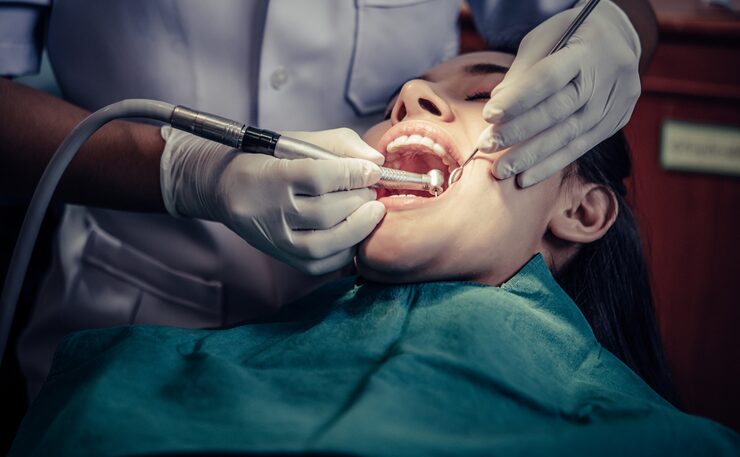
Restorative dentistry is the branch of dental care focused on repairing or replacing teeth that are damaged, decayed, or missing. Its purpose is practical rather than cosmetic: keeping teeth working so you can chew comfortably, speak clearly, and maintain the structure of your mouth over time.
Quick Answer
Restorative dentistry repairs or replaces teeth affected by decay, damage, wear, or loss. It covers treatments such as tooth-colored fillings, crowns, bridges, dentures, root canal treatment, and dental implants where a patient is a suitable candidate. Which one fits depends on how much healthy tooth structure remains and on your overall oral health, so a dental examination is what determines the right treatment rather than the symptom alone.
What Is Restorative Dentistry?
Restorative dentistry puts teeth back into working order. When decay has destroyed part of a tooth, it repairs it. When a tooth is cracked or weakened, it protects what remains. When a tooth is gone, it replaces it so the surrounding teeth and bite stay stable.
That work supports more than appearance. Chewing comfortably depends on teeth meeting evenly, remaining structure needs protecting so it does not fracture further, and a gap left by a missing tooth lets neighboring teeth drift, which changes the bite over time.
No single treatment is the answer for every situation. What your dentist recommends depends on the condition of the particular tooth, how much healthy structure is left, the health of your gums and supporting bone, and your general oral health. Our restorative dentistry Waltham page sets out the treatments available locally.
What Dental Problems Can Restorative Dentistry Treat?
The concerns that most often bring patients in:
- Tooth decay and cavities, from small areas to extensive decay
- Cracked, broken, or chipped teeth, including fractures from biting something hard
- Teeth weakened by wear, grinding, or a large old filling that no longer holds
- Missing teeth, whether one or several
- Difficulty chewing, or an existing crown, bridge, or denture that no longer fits well
- Extensive damage across several teeth that needs more than one treatment
A dentist assesses the cause and severity before recommending anything. The same symptom points to different treatments: a tooth sensitive to cold might need a filling, might have a crack needing full coverage, or might have an inflamed nerve needing root canal treatment. The examination decides, not the symptom.
What Are the Most Common Restorative Dental Treatments?
Tooth-colored fillings. Composite resin repairs teeth affected by cavities or limited damage, restoring the tooth while removing as little healthy structure as possible.
Dental crowns. A crown caps a tooth that needs more structural support than a filling can give, such as one with a crack, extensive decay, or a failing large filling.
Dental bridges. A bridge replaces one or more missing teeth, using adjacent teeth or other appropriate support to hold the replacement in place.
Dentures. Full dentures replace an entire arch of teeth, while partial dentures replace several missing teeth where healthy natural teeth remain.
Dental implants. An implant placed in the jawbone can support a replacement tooth when a patient is an appropriate candidate, which depends on bone volume, gum health, and general health.
Root canal treatment. This treats infection or inflammation inside a tooth so it can be kept rather than extracted. The tooth often needs a crown afterward.
Not every treatment suits every patient, and more than one may be reasonable for the same tooth. Asking why one is recommended over the alternatives is a fair question with a real answer. See the wider range of dental care services in Waltham to understand how restorative work fits alongside preventive and cosmetic care.
What Is Considered Major Restorative Dental Treatment?
Major restorative treatment generally means more extensive repair or replacement than a straightforward filling. Crowns, bridges, dentures, implants, and cases involving several restorations at once typically fall into this group when clinically appropriate.
Here is the part that confuses people. Insurers define basic and major services their own way, and those definitions do not always match clinical reasoning. One plan may treat a crown as major while another calls it basic, and that affects what percentage is covered and whether a waiting period applies.
Classification depends on both the procedure and your individual policy. Ask your dental office how a proposed treatment is likely to be classified, and confirm with your insurer. For extensive damage across many teeth, full mouth reconstruction in Waltham describes how multiple procedures are sequenced into one plan.
How Does a Dentist Determine Which Restoration You Need?
Your dentist reviews your symptoms and dental history, then examines the teeth and gums and tests how teeth respond. X-rays are taken when clinically indicated, because much of what matters sits below the surface: decay between teeth, bone levels, and infection at the root.
From there the dentist assesses how much sound structure remains, how far damage extends, and what is happening with any missing teeth. Those findings narrow the options, and the discussion should cover the appropriate treatments, their benefits, limitations, and maintenance.
You should understand the proposed plan before agreeing to it. Routine dental exams are also where problems get found early, while the treatment required is still small.
Is Restorative Dentistry Painful?
Comfort depends on the procedure and on you. Local anesthetic is commonly used where needed, including for fillings, crowns, and root canal treatment, so the procedure itself is usually comfortable. Patients typically describe pressure and vibration rather than pain.
Afterward, temporary sensitivity, tenderness, or soreness can occur, particularly to cold, and it generally settles as the tooth adjusts. We are not going to promise completely painless treatment, because no dentist can guarantee that.
If you have dental anxiety, sensitive teeth, or a previous uncomfortable experience, tell the dental team before treatment rather than during it. That information changes how an appointment is planned, and it is far more useful to them in advance.
How Much Does Restorative Dentistry Cost?
Cost varies with the treatment, how many teeth are involved, the complexity, and the materials. A single filling and a multi-tooth reconstruction are not comparable, and neither are two crowns where one needed a build-up first. We are not publishing figures here, because a price quoted in an article is wrong often enough to mislead.
Ask for a written treatment plan and estimate before treatment begins. A useful one separates each procedure, shows the estimated insurance contribution, and states your expected out-of-pocket amount. Confirm coverage with both your insurer and the dental office, since the two sometimes have different information.
Does Dental Insurance Cover Restorative Dentistry?
Often partially, sometimes substantially, and the amount depends on your plan. Coverage also differs between procedures: fillings, crowns, bridges, dentures, root canal treatment, and implants are frequently treated differently from one another under the same policy, with implants the most commonly excluded.
Several plan features affect what you receive. Deductibles must be met first. Annual maximums cap what the plan pays in a benefit year and can run out partway through treatment. Waiting periods delay coverage on newer policies. Frequency limits restrict how often a procedure is covered, and exclusions remove some treatments entirely.
One distinction matters: insurance approval and clinical recommendation are separate. A treatment your dentist considers appropriate may not be covered, and that does not make the recommendation wrong. Check the practice’s insurance information page, and confirm your own benefits with your insurer.
Is Restorative Dentistry Worth It?
For most patients with damaged or missing teeth, treatment addresses a problem that does not resolve on its own. Decay progresses, cracks spread, and gaps let neighboring teeth shift.
Whether a particular treatment is worth it depends on the problem, the alternatives, the maintenance required, and your circumstances. We are not guaranteeing how long a restoration will last, because that depends on your bite, your oral hygiene, and whether you grind.
Ask about the benefits, limitations, and long-term care each option needs. A restoration you can maintain generally serves you better than the most elaborate one available. Ongoing care matters too, which is part of choosing a family dentist in Waltham you can stay with.
When Should You See a Restorative Dentist in Waltham?
Book an evaluation if you notice:
- Persistent tooth pain or sensitivity that does not settle
- A broken, cracked, or chipped tooth
- A filling that has come out, or a crown that feels loose or has come off
- Difficulty chewing on one side, or a change in how your teeth meet
- One or more missing teeth
- A denture or bridge that no longer fits comfortably
Severe pain, facial swelling, or signs of infection need prompt dental attention rather than a routine appointment slot.
| Seek emergency medical care immediately if facial or neck swelling is accompanied by difficulty breathing or swallowing. That combination can indicate a spreading infection and is a medical emergency, not a dental appointment. |
Finding Restorative Dental Care in Waltham, MA
Look for a dentist who evaluates your particular situation rather than applying a standard answer, and who explains the options clearly enough that you can weigh them. You should leave understanding what is wrong, what the choices are, and why one is recommended.
Weigh the practical side too: whether costs and insurance are explained upfront, what maintenance each option needs, and what the alternatives involve. A practice willing to tell you when a less extensive treatment would do is giving you useful information.
Smiley Dental Waltham provides restorative dentistry Waltham patients can discuss in an evaluation, covering what the examination finds and which treatments suit the tooth. If you are comparing practices, our guidance on finding a dentist in Waltham covers what to ask.
Frequently Asked Questions
Does insurance cover restorative dentistry?
Often partially. Coverage varies by plan and by procedure, and fillings, crowns, bridges, dentures, and root canals are commonly treated differently from one another. Implants are the most frequently excluded. Deductibles, annual maximums, waiting periods, and frequency limits all affect what you receive, so confirm your specific benefits before treatment.
How much does restorative dentistry cost?
It depends on the treatment, the number of teeth involved, the complexity, and the materials used. A single filling and a multi-tooth plan are not comparable. We do not publish figures, because a quoted average rarely matches a real mouth. Ask for a written, itemized estimate after your examination.
Is restorative dentistry worth it?
Usually, when there is a real problem, because decay, cracks, and gaps do not resolve on their own and tend to worsen. Whether a specific treatment is worth it depends on the problem, the alternatives, the maintenance required, and your circumstances. Discuss benefits and limitations before deciding.
Is restorative dentistry painful?
Usually not during treatment, since local anesthetic is used where needed and most patients report pressure rather than pain. Temporary sensitivity or soreness afterward is common and generally settles. No dentist can promise completely painless treatment, so tell your team about anxiety or sensitivity beforehand.
What is considered major restorative dental treatment?
Clinically, more extensive repair or replacement: crowns, bridges, dentures, implants, or several restorations together. Insurers classify basic and major services their own way, though, and the same crown may be basic under one plan and major under another. That classification affects your coverage percentage and any waiting period.
Is there any dental insurance that covers 100%?
Many plans cover preventive care such as exams and cleanings at 100% when you see an in-network dentist. No plan covers 100% of everything. Restorative work is typically covered at a percentage, subject to a deductible and an annual maximum, so check what applies to the specific procedure.
What is the 2 year dentist rule?
There is no official rule by that name. The term usually refers to frequency limitations in dental plans, which restrict how often a procedure is covered. The closest match is that many plans cover a filling on the same tooth surface only once every two years. Other limits differ: cleanings are typically twice a year, and replacement crowns or dentures often every five to ten years.
Why is my root canal $3000?
That figure usually bundles more than the root canal. Molars have more canals and cost more than front teeth, an endodontist charges more than a general dentist, and the tooth almost always needs a core build-up and a crown afterward, which are billed separately. Ask for an itemized breakdown showing what each line covers.
Is it cheaper to get dental insurance or pay out-of-pocket?
It depends on what you expect to need. Insurance tends to pay off if you use preventive care and need occasional moderate treatment. For extensive work, annual maximums limit how much the plan contributes, so the advantage narrows. Compare your premium and deductible against the treatment you realistically anticipate.
Is there a dental insurance that pays for everything?
No. Every plan has limits, whether an annual maximum, a deductible, coverage percentages, waiting periods, frequency limits, or exclusions. Treat any plan advertised as covering everything with caution and read what it actually excludes. Discount dental plans are a different product and are not insurance.
Talk Through Your Options
Restorative dentistry addresses a wide range of concerns, from a single cavity to replacing several missing teeth. What it cannot do is prescribe itself. The right approach comes from an individual evaluation of the tooth, the surrounding gums and bone, and your oral health.
If you have a damaged, decayed, or missing tooth, contact Smiley Dental Waltham to schedule a dental evaluation. We can discuss your concerns, explain which treatment options may be appropriate, and go through the proposed treatment plan and expected costs before you decide on anything.